Kitchen Plumbing Installation in Denver, CO
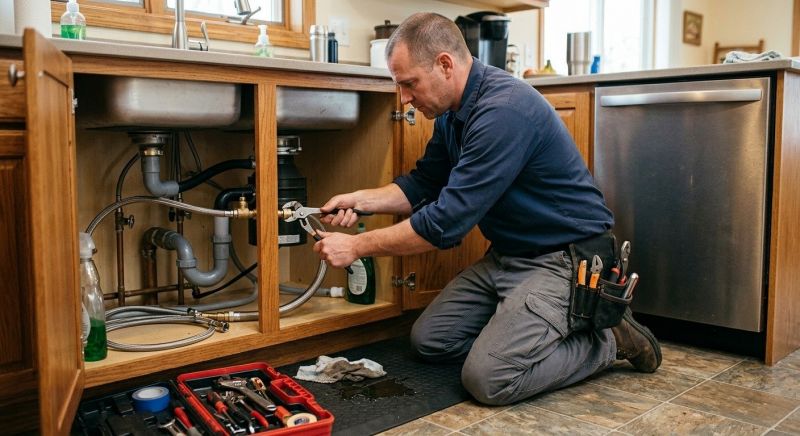
Kitchen plumbing installation services involve setting up new plumbing systems for sinks, dishwashers, garbage disposals, and other fixtures within a kitchen. This process covers a variety of projects, including installing brand-new plumbing lines during kitchen remodels, replacing outdated pipes, or adding additional fixtures to improve functionality. Homeowners typically want to understand the scope of work involved, the materials used, and how the new plumbing will integrate with existing systems to ensure proper operation and prevent future issues.
Before requesting kitchen plumbing installation, property owners should consider factors such as the layout of their kitchen, the type of fixtures they plan to install, and any specific plumbing requirements or restrictions in their property. It’s also helpful to understand the potential need for permits or inspections, as well as any preparations needed to facilitate a smooth installation process. Clear communication about project goals and existing plumbing conditions can help ensure the installation meets expectations and functions reliably.
Many property owners in Denver, CO look into Kitchen Plumbing Installation for repairs, replacements, upgrades, and appearance-related improvements.
Kitchen Plumbing System Setup
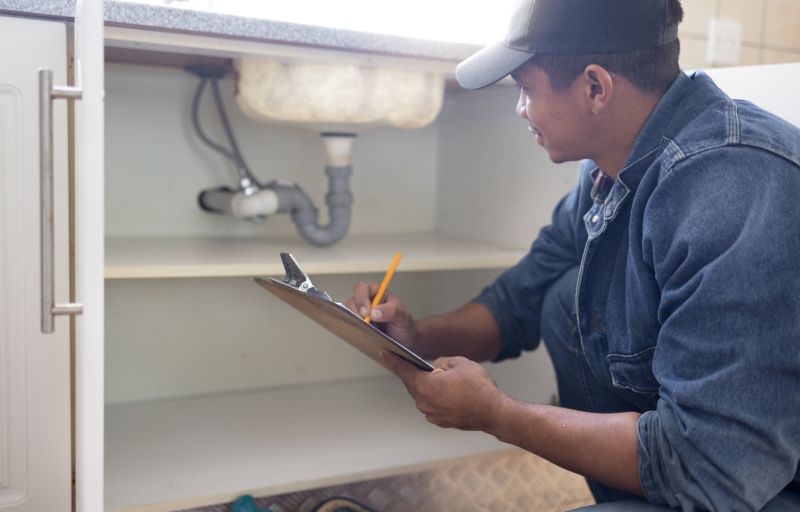
Proper installation ensures reliable water supply and drainage for your kitchen fixtures.
Fixture And Appliance Connections
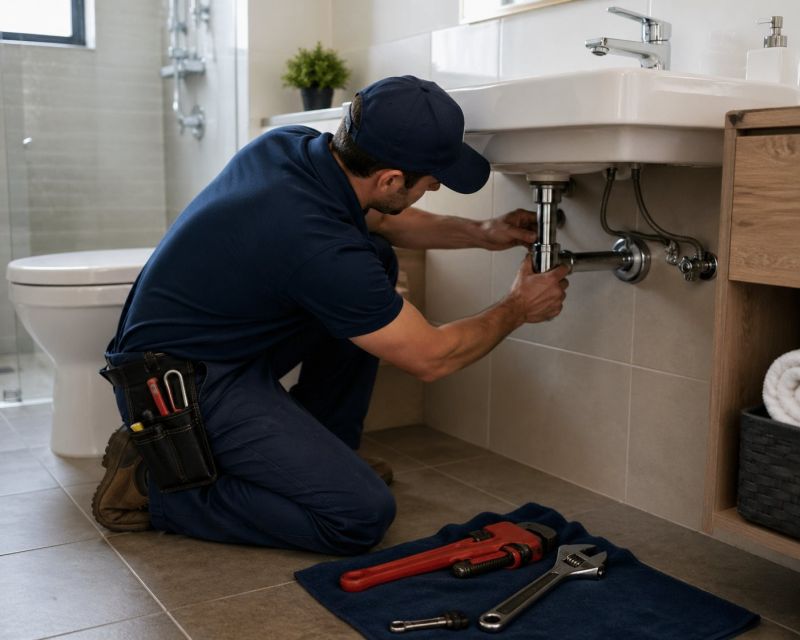
Securely connecting sinks, dishwashers, and garbage disposals helps prevent leaks and water damage.
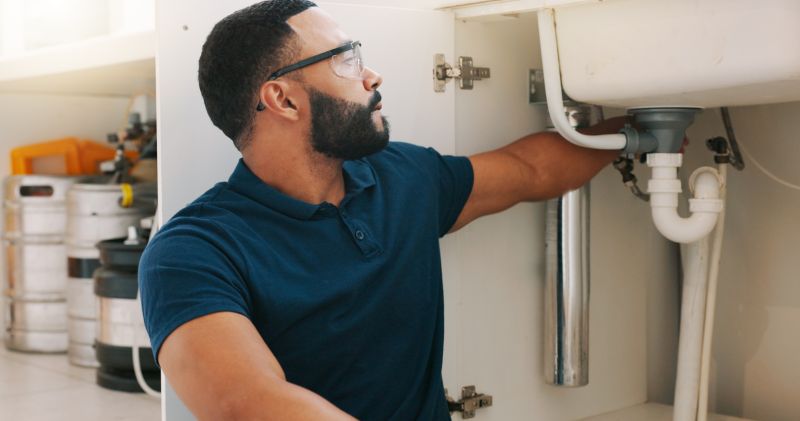
Leak Detection And Repair
Identifying and fixing plumbing issues early can save property owners from costly repairs in denver and nearby areas.
Kitchen Plumbing Installation in Denver, CO

Kitchen plumbing installation services involve setting up new plumbing systems for sinks, dishwashers, garbage disposals, and other fixtures within a kitchen. This process covers a variety of projects, including installing brand-new plumbing lines during kitchen remodels, replacing outdated pipes, or adding additional fixtures to improve functionality. Homeowners typically want to understand the scope of work involved, the materials used, and how the new plumbing will integrate with existing systems to ensure proper operation and prevent future issues.
Before requesting kitchen plumbing installation, property owners should consider factors such as the layout of their kitchen, the type of fixtures they plan to install, and any specific plumbing requirements or restrictions in their property. It’s also helpful to understand the potential need for permits or inspections, as well as any preparations needed to facilitate a smooth installation process. Clear communication about project goals and existing plumbing conditions can help ensure the installation meets expectations and functions reliably.
Many property owners in Denver, CO look into Kitchen Plumbing Installation for repairs, replacements, upgrades, and appearance-related improvements.
Common Kitchen Plumbing Installation Jobs
Kitchen sink installation - ensures proper setup for efficient drainage and reliable operation.
Faucet replacement - upgrades or repairs to improve water flow and prevent leaks.
Dishwasher hookup - connects appliances securely to maintain proper drainage and water supply.
Garbage disposal installation - adds convenient waste management with secure plumbing connections.
Water line rerouting - adjusts existing plumbing to accommodate kitchen layout changes.
Leak repairs - addresses drips and leaks to prevent water damage and improve system performance.
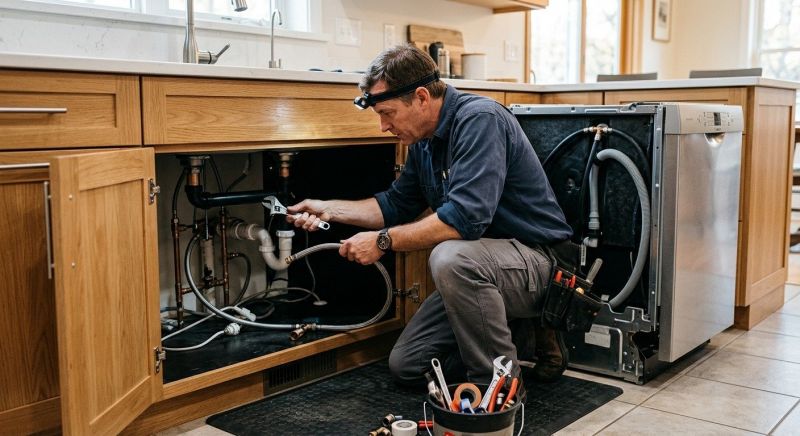
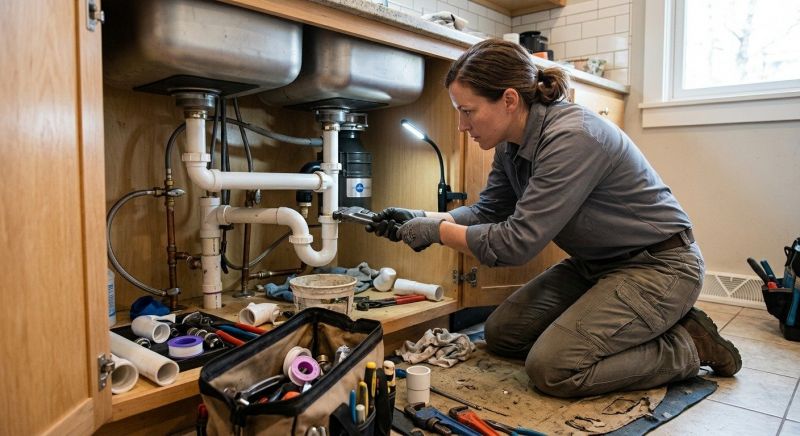
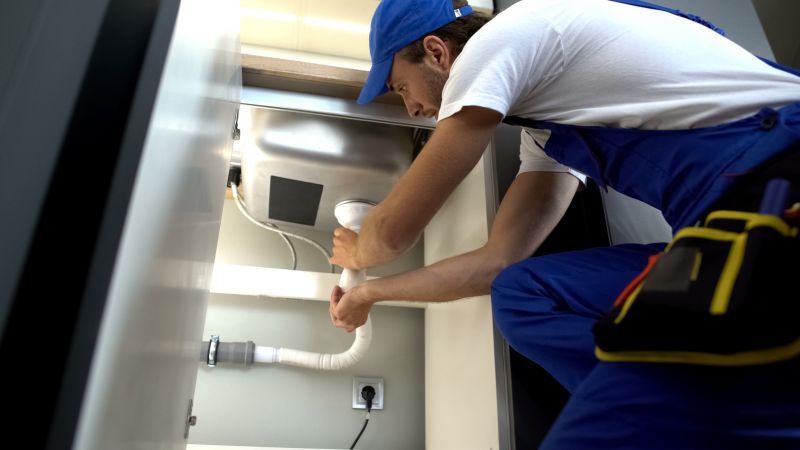
Kitchen Plumbing Installation Questions
What types of kitchen plumbing installations are commonly requested? Typical projects include sink and faucet replacements, dishwasher hookups, garbage disposal installations, and water supply line upgrades.
Are new fixtures compatible with existing plumbing? Compatibility depends on current pipe sizes and connections, so it’s important to verify specifications before installation.
What should property owners consider before installing new kitchen plumbing? Ensuring proper access, understanding water flow requirements, and planning for future upgrades can help streamline the process.
Is it necessary to turn off the main water supply during installation? Yes, shutting off the water supply is usually required to prevent leaks and water damage during the work.
Request Kitchen Plumbing Installation in Denver, CO
Use the quote form on this page to share the basics of your project and request more information for the type of work you need.